How Modesto Manufacturers Can Reduce Overtime Costs Without Losing Productivity
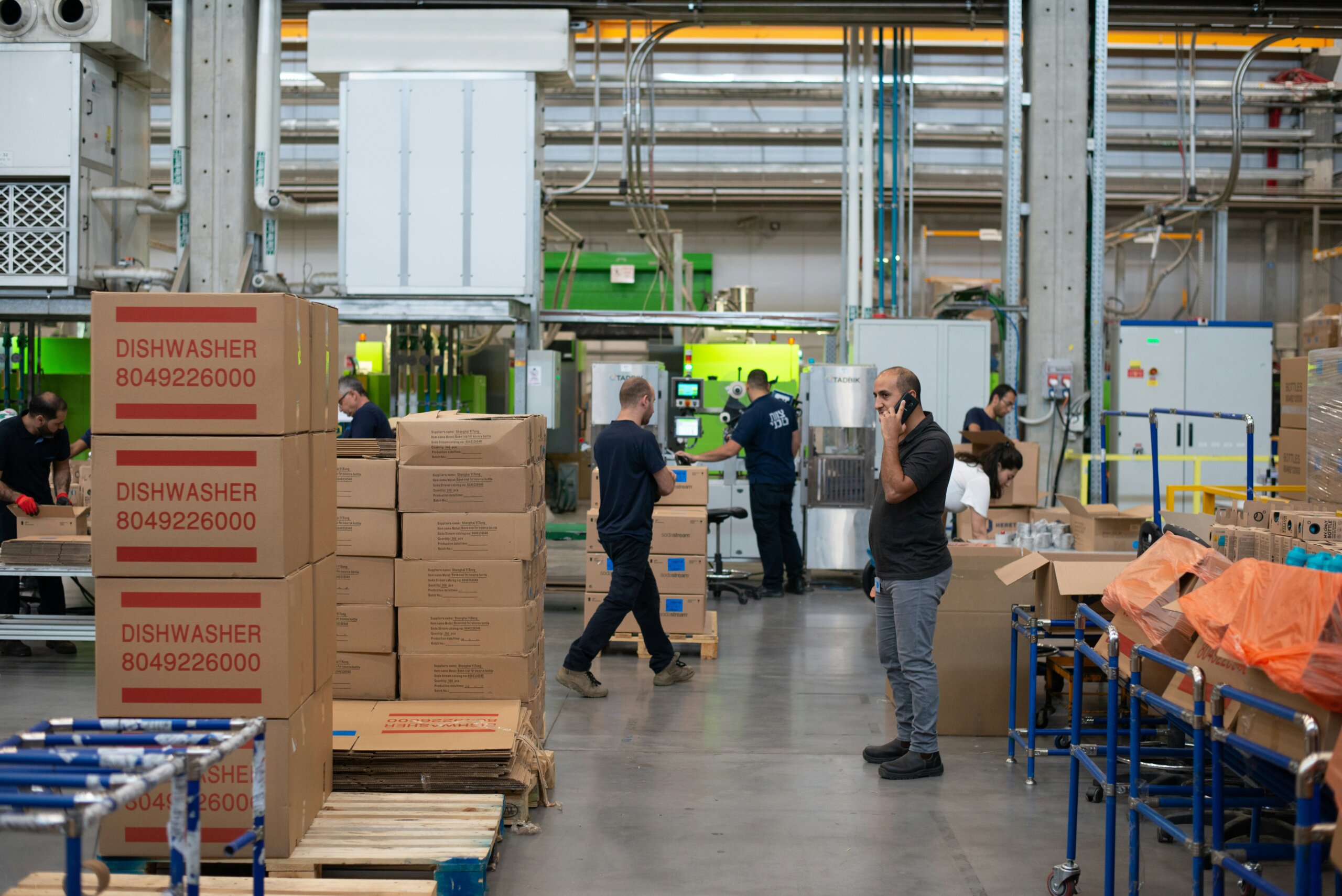
For manufacturers in Modesto and across the Central Valley, overtime can be a valuable tool when production demands increase. But when overtime becomes routine instead of occasional, labor costs can climb quickly. At the same time, employees working extended schedules may experience fatigue, which can affect attendance, quality, safety, and overall productivity.
The answer is not simply cutting overtime. Manufacturers still need to meet production goals, fill orders, and maintain customer expectations. Instead, the goal should be building a workforce strategy that provides enough flexibility to handle changing demand without relying too heavily on existing employees.
Here are several ways Modesto manufacturers can control overtime expenses while keeping production moving.
Understand What Is Driving Your Overtime
Before reducing overtime, determine why it is happening.
Look beyond the total number of overtime hours and identify where those hours are being used. Are certain shifts consistently understaffed? Are open positions taking too long to fill? Does overtime spike during predictable production periods? Are absences creating regular coverage problems?
Common causes of excessive overtime include:
- Unfilled positions
- Seasonal production increases
- Unexpected employee absences
- High turnover in key roles
- Inaccurate workforce forecasting
- Difficulty recruiting workers for specific shifts
Once you understand the source of the problem, you can develop a staffing strategy that addresses the underlying issue rather than simply trying to reduce hours.
Forecast Production and Staffing Needs Together
Production planning and workforce planning should go hand in hand.
Manufacturers often have visibility into upcoming orders, seasonal patterns, customer deadlines, and anticipated production increases. That information can also be used to predict when additional workers will be needed.
For example, if your Modesto facility regularly experiences increased demand during certain times of the year, waiting until production is already ramping up to recruit additional employees can leave your existing workforce covering the gap through overtime.
Planning earlier gives you more time to recruit, screen, onboard, and train workers before demand reaches its peak.
Build Flexibility into Your Workforce
Not every increase in production requires another long-term employee. A flexible staffing model allows manufacturers to adjust headcount based on current demand.
Temporary employees can provide additional support during:
- Seasonal production increases
- Large customer orders
- Employee vacations or leaves
- Special projects
- Unexpected increases in workload
Instead of asking your existing team to repeatedly work longer shifts, you can bring in additional employees for the period when they are actually needed.
This approach can help manufacturers maintain production levels while creating greater control over labor costs.
Use Temp-to-Hire Staffing for Ongoing Workforce Gaps
If overtime is consistently caused by open positions rather than temporary production increases, temp-to-hire staffing may be a better solution.
Temp-to-hire allows you to bring someone onto the team while evaluating their performance before making a long-term hiring decision.
During the assignment, you can assess factors such as:
- Attendance and punctuality
- Productivity and work quality
- Ability to follow safety procedures
- Adaptability and willingness to learn
- Fit with your existing team
For Modesto manufacturers struggling with turnover or difficult-to-fill production positions, this can provide a practical way to strengthen the workforce while reducing the pressure placed on current employees.
Watch for the Hidden Costs of Excessive Overtime
The direct cost of overtime is easy to see on a labor report. The indirect costs can be harder to recognize.
When employees consistently work extended hours, fatigue can begin affecting performance. That can contribute to mistakes, slower production, attendance problems, and employee dissatisfaction.
Over time, excessive overtime can also create a cycle. Employees become burned out, turnover increases, staffing levels decline, and the employees who remain are asked to work even more overtime.
Adding workforce capacity before employees reach that point can help protect both productivity and retention.
Cross-Train Employees for Greater Scheduling Flexibility
Hiring additional employees is not the only way to create a more adaptable workforce. Cross-training current employees can make it easier to respond when staffing gaps occur.
Employees who understand multiple positions can provide coverage when coworkers are absent or when production needs shift between departments.
Cross-training can also support employee development by giving workers opportunities to expand their skills and prepare for advancement.
The goal is not to stretch employees across too many responsibilities. Instead, manufacturers can strategically identify positions where additional coverage would have the greatest impact on operations.
Track the Right Workforce Metrics
If overtime costs are becoming a concern, monitor them alongside other workforce indicators.
Useful metrics may include:
- Overtime hours by department or shift
- Absenteeism
- Turnover rates
- Open positions and time to fill
- Production volume compared with staffing levels
- Use of temporary labor during peak periods
Looking at these numbers together can reveal patterns that might otherwise go unnoticed.
For example, one department may appear to have an overtime problem when the real issue is persistent turnover. Another may simply need temporary support during a predictable production cycle.
Better workforce data leads to better staffing decisions.
Partner with a Staffing Agency Before You Are Short-Staffed
One of the biggest mistakes manufacturers can make is waiting until overtime has already become a problem to seek additional workers.
Building a relationship with a staffing agency before an urgent need arises gives your staffing partner time to understand your facility, positions, schedules, skills requirements, and workplace expectations.
PrideStaff Modesto works with employers throughout Modesto and the Central Valley to help them build flexible staffing strategies around changing workforce needs. Whether you need temporary employees for a production increase, temp-to-hire candidates for ongoing openings, or recruiting support for hard-to-fill positions, having a staffing plan in place can help you respond faster.
Build a More Sustainable Manufacturing Workforce
Overtime will always have a place in manufacturing. A sudden order, unexpected absence, or tight production deadline may require employees to work additional hours.
The problem begins when overtime becomes the primary solution to ongoing staffing shortages.
By forecasting labor needs, using flexible staffing strategically, cross-training employees, and monitoring workforce trends, Modesto manufacturers can reduce their dependence on overtime without sacrificing output.
If overtime is putting pressure on your labor budget or your existing team, contact PrideStaff Modesto. Our local team can help you develop a staffing strategy that keeps your operation productive while giving you greater flexibility and control over workforce costs.