Safety First: Enhancing Workplace Safety in Modesto’s Manufacturing Plants
Of all your business metrics, keeping your employees safe and injury-free takes top precedence. In manufacturing, constant diligence and support of an incident-free culture is a 24/7 priority. That’s where workplace safety comes in.
Recent statistics show that an average of 2.3 million employees are hurt on the job each year. And while manufacturing occupations comprise 5% of U.S. workers, they make up 8% of workplace fatalities.
You need to be proactive in improving and implementing the best possible measures to avoid being part of this or other sobering safety-related statistics. We’re here to help.
Key Tips to Keep in Mind for Workplace Safety
Be Aware of Common Risk Sources
Prevention is the best medicine, so be aware of areas where safety violations or accidents may occur. This knowledge can literally be lifesaving. The U.S. Occupational Safety and Health Administration (OSHA) lists these top 10 areas of safety standards violations:
- Fall Protection, general requirements
- Hazard Communication, general industry
- Control of Hazardous Energy (lockout/tagout), general industry
- Ladders, construction
- Respiratory Protection, general industry
- Powered Industrial Trucks, general industry
- Fall Protection Training, construction
- Scaffolding, construction
- Eye and Face Protection, construction
- Machine Guarding, general industry
On a related note, never slack off on preventive maintenance!
Use Equipment, Materials, and Tools Only as Intended
Follow use instructions and manuals and maintain all operational standards for using equipment, materials, and tools. In addition to contributing to ensured safety, you can avoid costly breakdowns or malfunctions that may occur as a result of misuse.
Use PPE Properly—and Without Exception
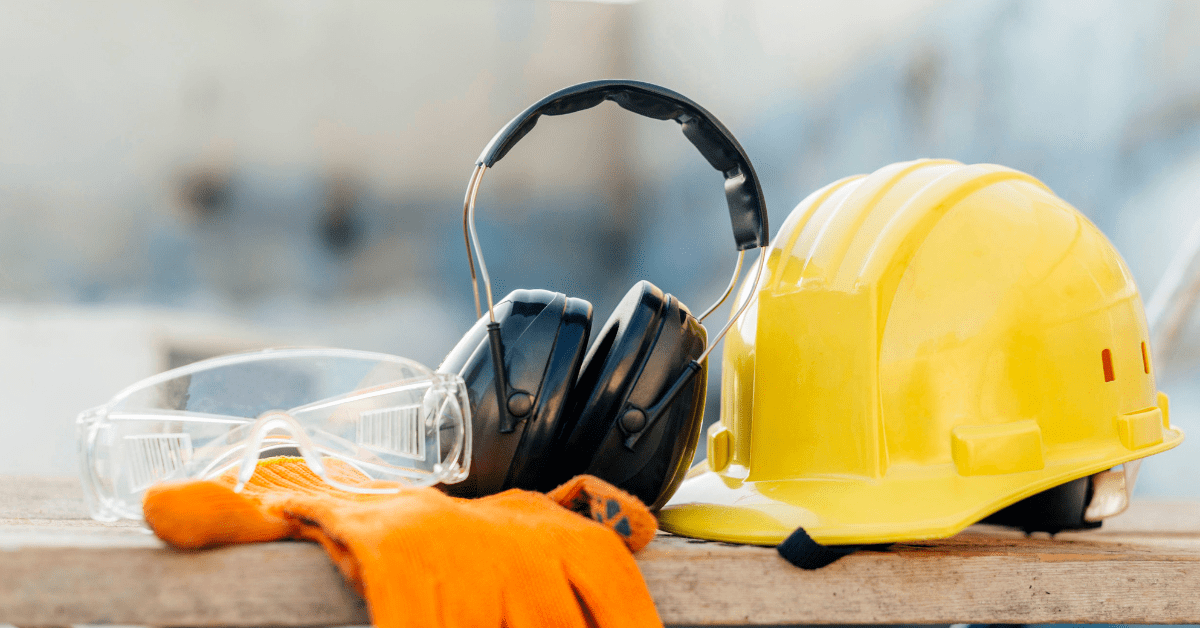
For employees working with machinery or other potentially hazardous chemicals or equipment, the right personal protective equipment (PPE) is one of their first lines of defense against injury. A few examples to keep top of mind include:
- Respiratory masks: to prevent employees who handle toxic substances from inhaling unhealthy fumes.
- Headgear: For instance, hard hats are essential in preventing head injury.
- Eyewear: Approximately 2,000 workers suffer eye injuries in the U.S. every day.
- Hand and skin protection: Gloves, long sleeves, and pants are essential. Be sure the right kinds of gloves and other PPE are utilized, specific to job demands.
- Earplugs or headphones: To avoid hearing loss and related conditions such as tinnitus and migraines, for those working in loud areas of your facility.
Keep Work areas Clutter-Free
Keep all work areas and stations, as well as walkways, doorways, entrances, and exits clean and free of debris or clutter. Among other potential injuries and damage, this helps prevent fires from breaking out.
Enforce a “See Something, Say Something” Policy
As part of your ongoing safety communication, emphasize the importance of reporting any potential or actual safety hazards early. Everyone should be encouraged to do this and feel comfortable about it when the time comes.
Offer Robust Safety Training
“See something, say something” is one aspect of training and communication as everyone on your team becomes an integral part of your safety culture. In addition, be sure every employee completes all safety training requirements, without exception. It may be tempting to postpone training due to production demands; steer clear of this dangerous path.
Ready to Build a Safety-First Team?
For additional insight on enhancing your commitment to safety—and building, training, and supporting your industry-leading manufacturing team for 2025 and beyond—contact PrideStaff Modesto today.