How Reliable Staffing Improves Productivity in Manufacturing Operations
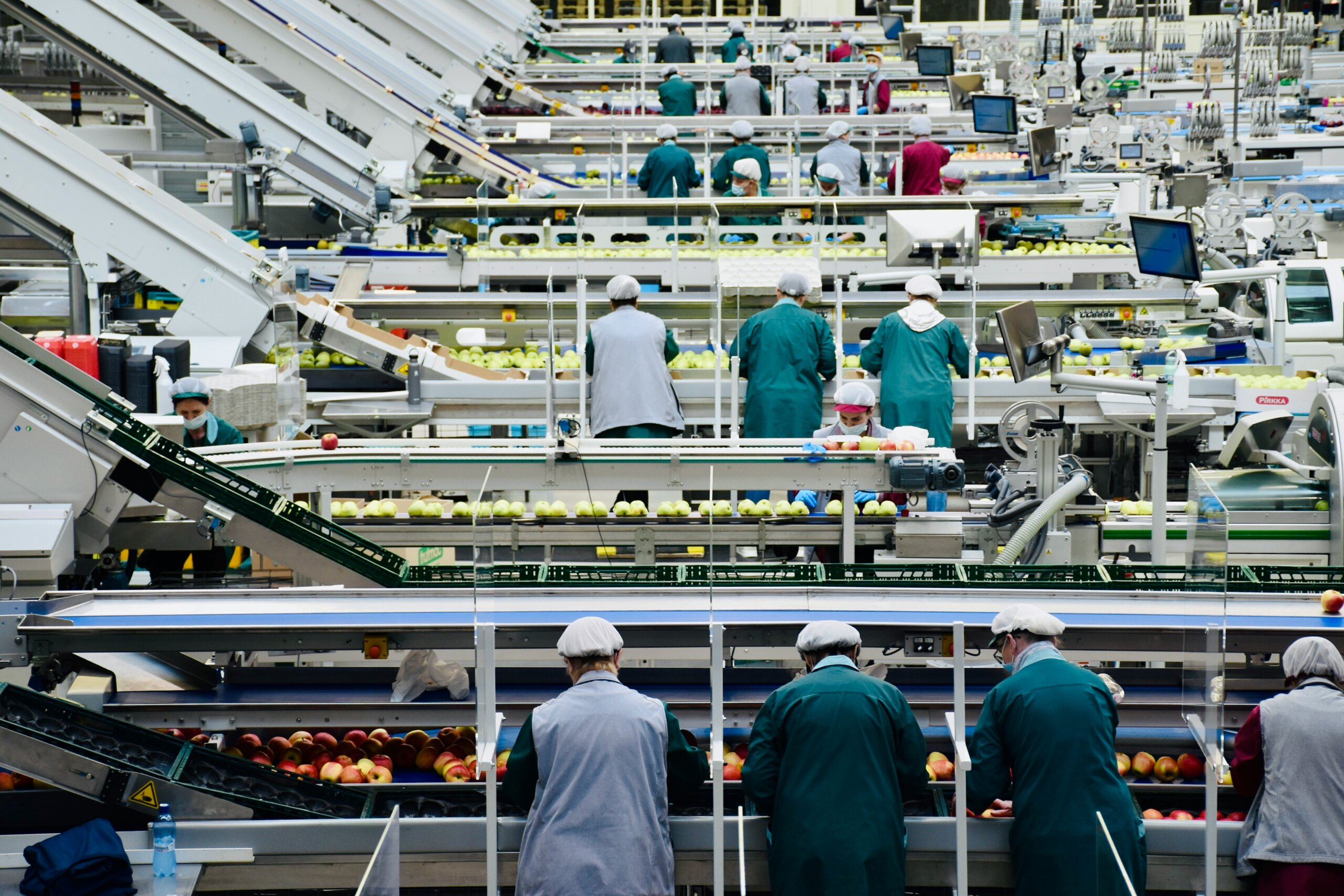
Manufacturing productivity depends on more than equipment, technology, and efficient processes. It also depends on having enough reliable people in the right positions every day.
For manufacturers in Modesto and throughout the Central Valley, even a small staffing shortage can affect an entire operation. When employees call out, positions remain vacant, or turnover leaves shifts understaffed, the impact can spread quickly. Production slows, overtime increases, supervisors spend more time covering workforce gaps, and experienced employees are asked to take on additional responsibilities.
Building a dependable workforce helps manufacturers protect productivity while creating a more stable operation. Here is how reliable staffing can make a measurable difference on the manufacturing floor.
Staffing Levels Directly Affect Production Capacity
Every manufacturing operation has a certain amount of work that must be completed during each shift. When staffing levels fall below what is required to meet that workload, productivity can suffer.
An understaffed production line may lead to:
- Slower production cycles
- Missed production targets
- Longer order fulfillment times
- Increased overtime
- Production bottlenecks
- Additional pressure on existing employees
Consistent staffing helps keep each part of the production process moving. Instead of constantly adjusting schedules or shifting employees between responsibilities, managers can focus on meeting production goals and improving operations.
Reliable Employees Help Reduce Unplanned Disruptions
Headcount alone does not create a productive workforce. Reliability matters just as much.
Manufacturers need employees who consistently arrive on time, understand their responsibilities, follow procedures, and complete their work according to expectations.
Frequent absenteeism can create significant operational challenges. A missing employee may require another worker to leave their usual position, a supervisor to find last-minute coverage, or the entire team to redistribute responsibilities.
Over time, these disruptions add up.
A staffing strategy focused on dependability helps manufacturers reduce uncertainty and maintain more predictable production schedules.
Better Staffing Can Reduce Dependence on Overtime
Overtime can help manufacturers handle occasional increases in demand, but it becomes expensive when used as a long-term solution to staffing shortages.
If employees regularly work additional hours because positions remain vacant, labor expenses can increase while employees become increasingly fatigued.
Fatigue may also affect:
- Concentration
- Work quality
- Attendance
- Employee morale
- Overall productivity
Maintaining appropriate staffing levels gives manufacturers another way to manage workload without continually extending the schedules of existing employees.
Temporary staffing can be particularly useful when additional labor is needed for a defined period. Modesto manufacturers can add workers during production increases and adjust staffing levels as demand changes.
Consistent Staffing Supports Quality and Safety
Productivity is not simply about producing more units. Manufacturers need to maintain quality and safety while meeting production goals.
When teams are short-staffed or employees are rushing to compensate for missing coworkers, mistakes can become more likely. Workers may also be asked to perform unfamiliar responsibilities or move between positions more frequently.
A properly staffed operation gives employees the time and support they need to follow established processes.
Consistent staffing can also make training more effective. Instead of constantly onboarding replacements because of turnover, supervisors can spend more time developing employees who already understand the facility, equipment, and expectations.
Lower Turnover Creates a More Experienced Workforce
High turnover creates more than a recruiting problem. It can also become a productivity problem.
Every employee who leaves takes knowledge and experience with them. Their replacement needs to be recruited, onboarded, trained, and given time to become fully productive.
When this happens repeatedly, managers and experienced employees spend significant amounts of time helping new workers learn their jobs.
Improving workforce stability helps manufacturers retain more operational knowledge within the organization. Experienced employees understand workflows, recognize potential problems, and often require less day-to-day supervision.
That consistency can contribute to a more productive manufacturing environment.
Flexible Staffing Helps Manufacturers Respond to Changing Demand
Manufacturing demand is not always predictable. Customer orders, seasonal trends, new contracts, employee absences, and production schedules can all change workforce requirements.
Maintaining exactly the same headcount throughout the year may not be practical.
Flexible staffing gives manufacturers another option.
Temporary employees can provide additional support for:
- Seasonal production increases
- Large or unexpected orders
- Employee vacations and leaves
- Special projects
- New production lines
- Short-term staffing shortages
Temp-to-hire staffing can also help when a workforce need is likely to become long-lasting. Employers gain additional support while having an opportunity to evaluate an employee’s attendance, performance, skills, and fit before making a long-term hiring decision.
The Right Hiring Process Improves Workforce Reliability
Reliable staffing begins before an employee’s first shift.
Hiring quickly is important when production positions are open, but speed should not come at the expense of fit. A candidate who has the necessary experience but cannot meet scheduling requirements or does not understand workplace expectations may create another vacancy shortly after being hired.
An effective recruiting process should evaluate factors such as:
- Relevant skills and experience
- Shift and schedule availability
- Attendance expectations
- Workplace and safety requirements
- Communication and reliability
- Long-term employment goals
Setting clear expectations from the beginning can improve the likelihood that new employees will succeed and stay.
A Staffing Partner Can Help Managers Focus on Operations
Recruiting becomes especially difficult when managers are already dealing with production deadlines and workforce shortages.
Posting jobs, reviewing applications, screening candidates, coordinating interviews, and maintaining candidate communication all require time. When hiring needs increase, those responsibilities can pull managers and HR teams away from other priorities.
A staffing partner can take on much of the recruiting process while maintaining a pipeline of candidates for frequently needed positions.
PrideStaff Modesto works with employers throughout Modesto and the Central Valley to provide temporary, temp-to-hire, and direct hire staffing solutions. By understanding an employer’s positions, schedules, workplace requirements, and hiring goals, our local team can help identify candidates who are prepared to contribute.
Build a More Productive Manufacturing Workforce in Modesto
Manufacturing productivity starts with workforce consistency. When the right employees are available when they are needed, production lines operate more smoothly, managers spend less time solving staffing problems, and experienced employees can focus on their own responsibilities.
Reliable staffing also gives manufacturers greater flexibility to respond to changes in production without placing unnecessary pressure on their existing teams.
If absenteeism, turnover, open positions, or changing production demands are affecting your operation, contact PrideStaff Modesto. We can help you build a staffing strategy designed to support productivity, workforce stability, and the changing needs of your Central Valley manufacturing operation.